Start with a simple distinction
A need is something important for everyday life, while a want is something someone would like to have. Children can begin exploring the difference through familiar examples, such as food, school supplies, toys, and entertainment.
Introduce choices with a limited balance
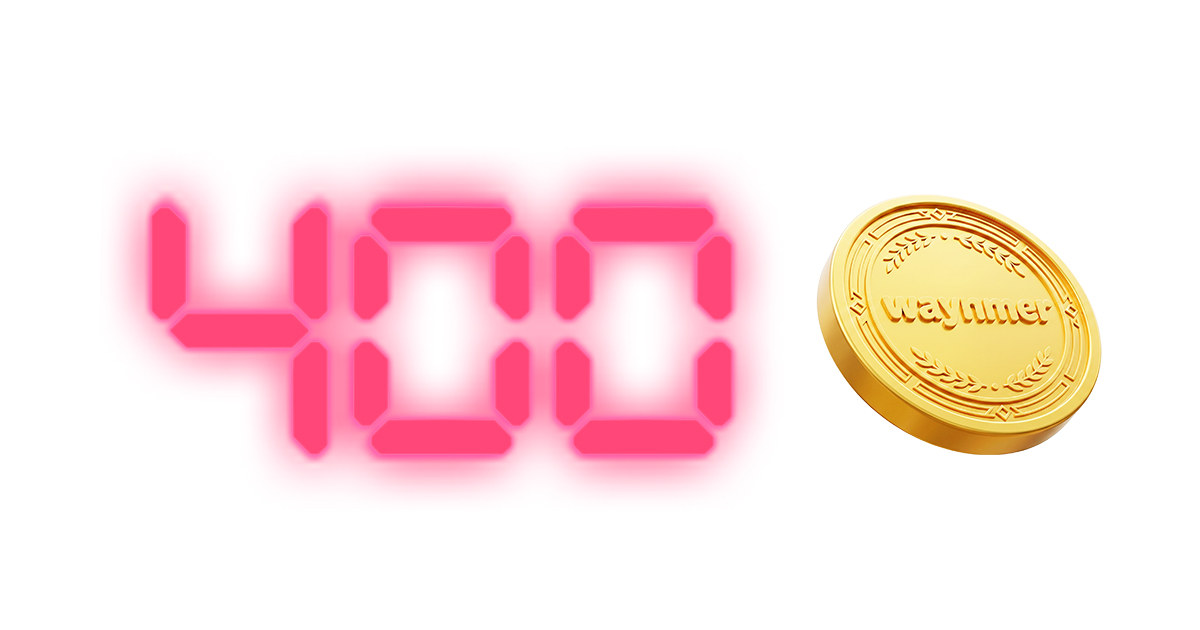
In Waynmer City Trader, each player begins with $400 in virtual game money. Players decide whether to purchase available properties, keep money available for later turns, or spend on eligible upgrades. The game creates a setting to discuss how one choice affects the options that remain.
Ask questions instead of giving every answer
Parents can ask: What do you want to buy first? How much money will you have left? Is there another purchase you may want to make later? These questions encourage children to explain their thinking and consider trade-offs.
Keep the game and real life distinct
The properties and money in Waynmer are part of the game. They are not a substitute for real-world budgeting or financial advice. Parents can use the play experience as a starting point for age-appropriate conversations about everyday spending.
Build the habit of thinking ahead
The goal is not to make every decision perfectly. It is to help children pause, compare options, and think about what might happen after they spend.